

Why Stainless Steel Seamless Pipes Are Preferred for Industrial Projects?
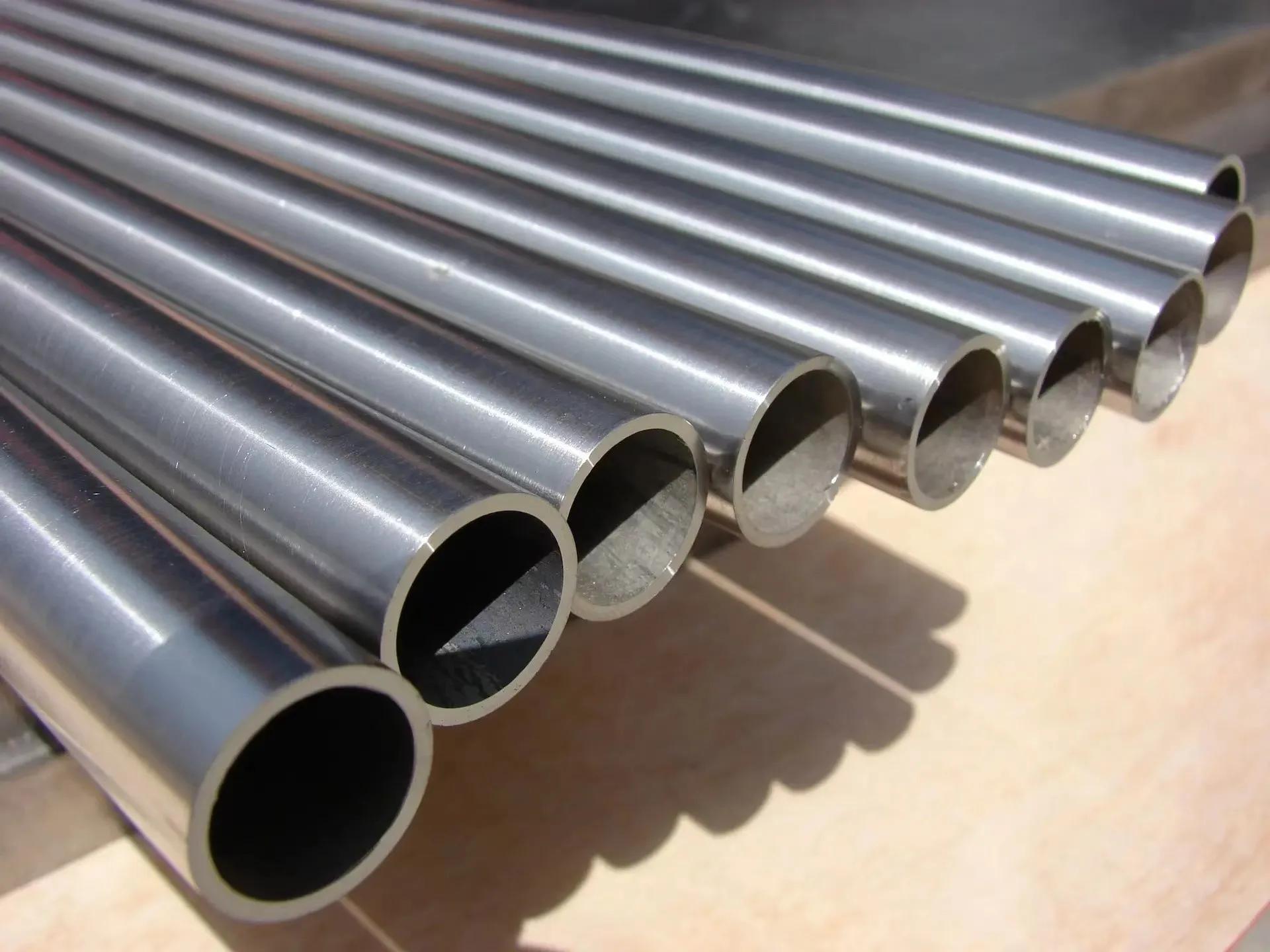
Stainless steel seamless pipes are widely used in industrial projects because of their strength, durability, corrosion resistance, and reliable performance under demanding operating conditions. Industries such as oil and gas, chemical processing, power generation, construction, and manufacturing rely on piping system integrity for safe, efficient operations. Seamless pipes are especially appreciated in applications where consistent material structure and dependable pressure-handling performance are essential.
With increasing industrial requirements, businesses look for piping solutions that offer long-term reliability and meet specific engineering standards. Understanding the advantages of Stainless Steel Seamless Pipe Manufacturers in India helps buyers select the right products for their projects.
What Are Stainless Steel Seamless Pipes?
Stainless steel seamless pipes are manufactured without a longitudinal welded joint. They are mainly manufactured by heating a solid steel billet and shaping it into hollow tubes, using techniques like piercing, rolling, and sizing.
The absence of a welded seam makes seamless pipes suitable for many applications involving demanding pressure and temperature conditions. They are available in different stainless steel grades, diameters, wall thicknesses, and lengths to meet various industrial requirements.
Common grades include 304, 304L, 316, and 316L. Different properties are available for each grade and are recommended for specific operating environments and project specifications.
Key Reasons Stainless Steel Seamless Pipes Are Preferred
1. High Mechanical Strength
One of the main reasons industries choose stainless steel seamless pipes is their mechanical strength. They are manufactured in a continuously welded pipe structure without longitudinal weld seam.
This makes them useful for applications that require them to be strong, consistent in their structure and performance. The actual pressure capacity will vary according to the material grade, dimension, wall thickness, manufacturing quality and the applicable design standards.
2. Excellent Corrosion Resistance
Stainless steel comprises chromium, which creates a protective passive layer on the surface. This layer helps protect the material from corrosion in many industrial environments.
Grades such as 304 and 316 are commonly used where corrosion resistance is required. Grade 316 is molybdenum added to grade 304 to increase corrosion resistance, particularly resistance to chloride corrosion.
Choosing the right grade is critical because the corrosion resistance depends on the chemical environment, temperature, and operating conditions.
3. No Longitudinal Weld Seam
Unlike welded pipes, seamless pipes do not have a longitudinal welded joint. This characteristic can be beneficial in applications where a continuous pipe structure is preferred.
It also eliminates the necessity to inspect a longitudinal weld seam as part of the pipe's manufacturing quality. Seamless pipes still need to be properly inspected and tested to ensure material integrity and dimensional accuracy, though.
4. Suitable for High-Temperature Applications
Many industrial applications require high temperatures, such as steam transportation, heat exchange, and power generation. Some grades of stainless steel can retain useful mechanical properties under these circumstances.
Seamless stainless steel pipes are therefore used in selected high-temperature systems where the material grade and design specifications are appropriate.
5. Long Service Life
Stainless steel seamless pipes offer good durability when selected and installed correctly. Their corrosion resistance and mechanical properties can help reduce maintenance requirements and replacement frequency.
For industrial projects, this can help to reduce lifecycle expenses and maintain stable performance over time.
Major Industrial Applications of Stainless Steel Seamless Pipes
Stainless steel seamless pipes are applied in various fields due to the various grades, sizes and mechanical properties.
Oil and Gas Industry
The oil and gas industry employs seamless stainless steel pipes in specific applications where strength, corrosion resistance, and reliable performance are needed. They may be used in process piping, equipment connections, and other applications based on project specifications.
Chemical and Petrochemical Industry
Chemical processing plants process various substances under various pressure and temperature conditions. Suitable stainless steel seamless pipes help support reliable fluid transportation in systems where material compatibility is important.
Power Generation
Stainless steel piping is used in specific steam, heat transfer and utility systems in power plants. The correct grade must be chosen according to temperature, pressure, and design requirements.
Pharmaceutical and Food Processing
Stainless steel seamless pipes are also used in food, beverage, and pharmaceutical facilities. The smooth inner surfaces and hygienic finishes available make them useful for systems which need effective cleaning and sanitation.
Construction and Engineering
S stainless steel seamless pipes are used in equipment, structural use and special pipes in industrial construction and engineering projects where high strength and durability are demanded.
How to Choose the Right Stainless Steel Seamless Pipe
Choosing the right pipe is essential for achieving the expected performance and safety of an industrial system. Buyers should consider the following factors:
Material grade: Choose grade like 304, 304L, 316, and 316L based on the application and corrosion requirements.
Pipe dimensions: Check the required outer diameter, wall thickness, and length.
Operating conditions: Consider working pressure, temperature, and the type of fluid being transported.
Quality standards: Verify compliance with relevant ASTM, ASME, or other applicable specifications.
Inspection and testing: Check chemical composition, mechanical properties, dimensional checks, non-destructive testing requirements.
Supplies reliability: elect an experienced manufacturer or supplier that provides appropriate technical documentation and quality product.
Working with a reliable supplier helps businesses obtain stainless steel seamless pipes that match their project requirements.
Stainless Steel Seamless Pipes vs. Welded Pipes
Both seamless and welded pipes have important industrial applications. However, their manufacturing methods and characteristics differ.
Feature | Seamless Pipes | Welded Pipes |
Manufacturing | Produced without a longitudinal weld | Manufactured by joining formed steel sections |
Weld seam | No longitudinal weld seam | Contains a welded joint |
Applications | Used in demanding pressure applications | Used in a wide range of industrial systems |
Availability | Available in various grades and sizes | Available in many sizes and configurations |
Selection | Depends on pressure, temperature, and design needs | Depends on specifications and service conditions |
The best option depends on engineering requirements, applicable standards, operating conditions, and project budget.
Conclusion
Stainless steel seamless pipes are preferred in many industrial projects due to their continuous structure, mechanical strength, corrosion resistance and durability with no longitudinal weld seam. They are widely used in the oil and gas, chemical processing, power generation, food processing and engineering industries, illustrating their role in modern industrial infrastructure.
Businesses need to be aware of grades, pipe sizes, operating conditions, quality standards, and inspection requirements for materials before buying. Selecting the right seamless pipe helps support safe operations, dependable performance, and long-term project value.